

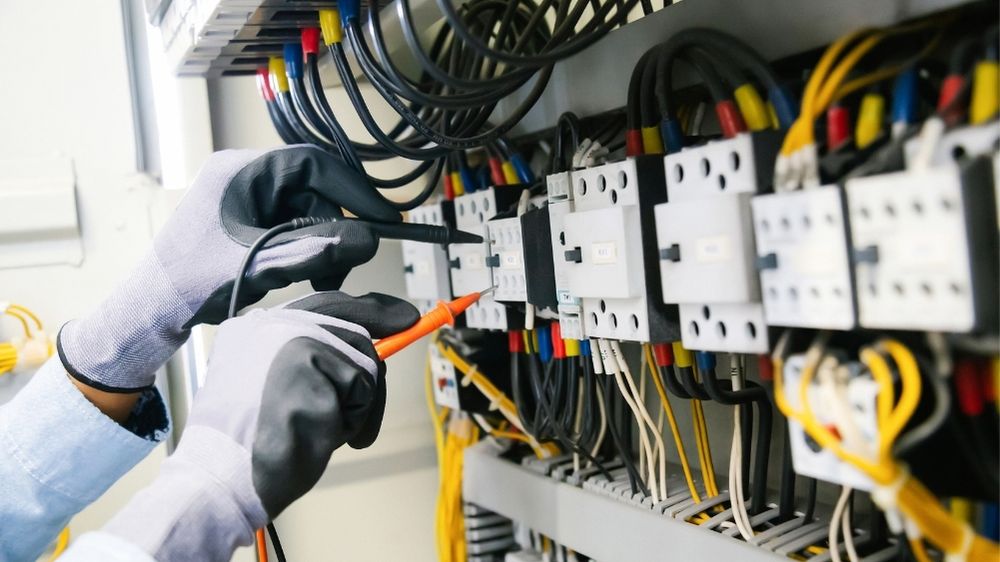
Why I think an ISEP course is the best move for modern electricians
The changing face of electrical safety in the UK
For anyone working within the electrical trade, the landscape has shifted significantly over the last decade. It is no longer enough to simply know how to wire a socket or install a consumer unit. The emphasis has moved heavily towards rigorous inspection, testing, and the ability to produce detailed reports that hold up under legal scrutiny. This is where the importance of specialised training comes into play. Many professionals are now looking at how they can refine their skills to meet the increasing demands of the rental sector and commercial property management.
The introduction of stricter regulations for landlords has created a massive surge in the demand for high-quality Electrical Installation Condition Reports (EICRs). However, many electricians feel that their initial training didn’t quite go deep enough into the nuances of surveying older installations or identifying the subtle signs of deterioration that could lead to a safety failure. This gap in knowledge is exactly what a dedicated training programme aims to fill, helping tradespeople move from being general installers to expert inspectors.

What you actually learn during an ISEP course
When you decide to enrol in an ISEP course, you aren’t just ticking a box for your CPD. You are engaging with a curriculum designed to sharpen your diagnostic skills. The focus is specifically on the inspection and survey of electrical power systems, which is a different beast entirely compared to new-build installations. In a new build, everything is clean, accessible, and follows the latest version of BS 7671. In the real world, you are often dealing with decades of DIY additions, outdated fuse boxes, and hidden faults that require a systematic approach to uncover.
The training usually covers several critical areas that are vital for any modern inspector:
- The legal framework surrounding the Electricity at Work Regulations 1989.
- How to correctly interpret the latest amendments to the IET Wiring Regulations.
- Advanced testing techniques for complex circuits where standard methods might fail.
- The art of visual inspection and knowing exactly what ‘tells’ to look for in a domestic or commercial setting.
- Best practices for documenting findings to ensure the client understands the risks.
By focusing on these specific areas, the course ensures that the surveyor is not just guessing but is making informed, evidence-based decisions about the safety of an installation.
Moving beyond the basic EICR
Many people mistake an EICR for a simple pass or fail exercise. In reality, it is a comprehensive survey that requires a high level of professional judgement. One of the most challenging aspects of the job is assigning the correct codes to observations. Is a particular issue a C1 (Danger present), a C2 (Potentially dangerous), or a C3 (Improvement recommended)? Making the wrong call can either leave a tenant at risk or land a landlord with an unnecessary and expensive repair bill.
An ISEP course provides the framework to make these decisions with confidence. It teaches you how to justify your coding based on the actual risk posed, rather than just following a generic checklist. This level of expertise is what separates a standard electrician from a specialist surveyor. When you can explain to a client exactly why a circuit is unsafe and back it up with the relevant regulations, you build a level of trust that is invaluable for long-term business relationships.
Why the practical element matters so much
You can read the regulations cover to cover, but nothing beats hands-on experience. Most high-quality training centres recognise this and ensure that a significant portion of the time is spent on practical simulations. This might involve fault-finding on a rig that has been intentionally ‘sabotaged’ with common real-world issues, such as high resistance joints or poor earthing connections.
Working through these scenarios in a controlled environment allows you to refine your testing sequence. Efficiency is key in this industry; if you can perform a thorough inspection in four hours that used to take you six, without compromising on safety, your earning potential increases significantly. The course teaches you how to organise your tools, your testing equipment, and your workflow to maximise accuracy and minimise downtime.
The benefits for your professional reputation
In a world where online reviews and word-of-mouth recommendations can make or break a business, being known as a specialist in electrical safety is a huge advantage. Clients, particularly property agents and commercial landlords, are looking for professionals who can provide a ‘gold standard’ service. They want the peace of mind that the person inspecting their property knows exactly what they are doing.
Completing a specialised course offers several professional advantages:
- Increased confidence when dealing with complex industrial or three-phase installations.
- The ability to charge premium rates for specialist surveying services.
- Lower risk of professional indemnity claims due to better reporting standards.
- A deeper understanding of the chemistry and physics behind electrical degradation.
It is about moving away from the ‘race to the bottom’ on pricing and instead positioning yourself as an expert whose time and knowledge are worth a higher investment.
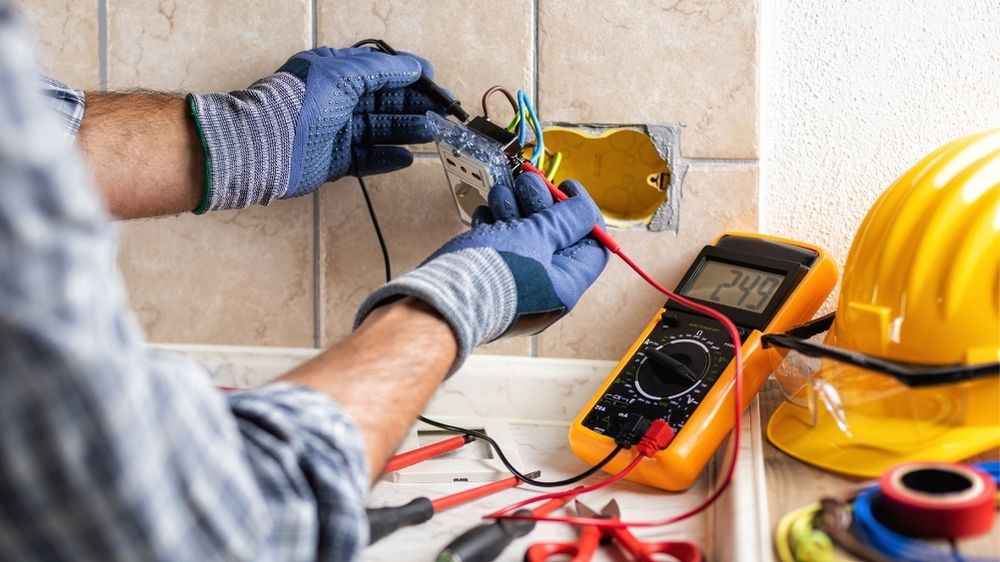
How to prepare for the transition into surveying
If you are thinking about making the jump into more specialised inspection work, it is worth considering your current toolkit. Beyond the physical testers, your most important tool is your method of data collection. Modern surveying often involves digital reporting software that integrates directly with your testing results. Part of the learning process is understanding how to integrate these digital tools into your workflow so that the final report is clean, professional, and easy for a non-technical person to read.
It is also important to stay updated with the frequent changes to the UK wiring standards. The ISEP course acts as a perfect refresher for those who haven’t sat a formal exam in a few years. It forces you to engage with the latest safety data and rethink any ‘bad habits’ that might have crept into your work over time. Even the most experienced sparkies can benefit from having their methods challenged and refined by an expert tutor.
The electrical industry is only going to become more regulated as we move towards a greener, more electrified economy. With the rise of EV charging points, solar PV systems, and battery storage, the complexity of domestic installations is increasing. Being able to survey these systems and ensure they are integrated safely into existing infrastructure is a skill that will be in high demand for decades to come. Taking the time to invest in your education now is the most effective way to future-proof your career and ensure you remain at the forefront of the trade.

Sophie is a travel writer and culture enthusiast who explores Barcelona’s hidden gems, from charming local cafés to historic landmarks. She specialises in insider tips and unique travel experiences.