
The reality of healing after a procedure
Undergoing surgery is a significant event for your body, whether it is a planned cosmetic procedure or an essential medical operation. Most people spend weeks, if not months, researching their surgeon and the procedure itself, but often the aftercare plan is a bit of an afterthought. We tend to focus on the day of the surgery, yet the weeks that follow are where the real transformation happens. This is where the physical reality of recovery sets in: the swelling, the bruising, and that heavy, tight sensation that can make everyday movements feel like a chore.
In the heart of Scotland, more people are starting to realise that the secret to a smoother, faster recovery isn’t just rest and medication. It is about actively helping the body’s systems get back on track. This is why Post Surgery Recovery Massage Glasgow has become such a vital resource for those looking to optimise their results and get back to feeling like themselves as quickly as possible. It is not about a relaxing spa day; it is a specialised, clinical approach to managing how your body heals from the inside out.
Understanding the role of the lymphatic system
To understand why this type of massage is so effective, you first have to understand what happens to your body during surgery. Any surgical intervention, no matter how skilled the surgeon, causes trauma to the tissues. This trauma triggers the body’s inflammatory response, leading to a build-up of fluid in the interstitial spaces. This fluid is what we see as swelling or oedema. While the body has a natural drainage system—the lymphatic system—it can easily become overwhelmed or sluggish after an operation.
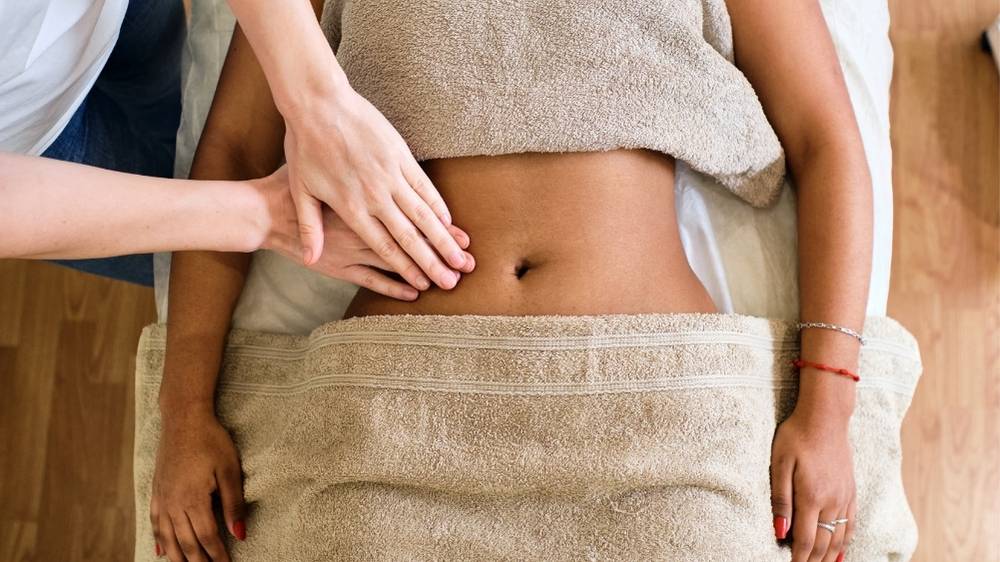
The lymphatic system is responsible for moving waste products, toxins, and excess fluid out of the tissues and back into the bloodstream to be filtered. When you are recovering from surgery, this system needs a helping hand. A specialised Post Surgery Recovery Massage Glasgow focuses on Manual Lymphatic Drainage (MLD). This is a gentle, rhythmic technique designed to stimulate the lymph vessels and encourage the movement of fluid towards the lymph nodes. By doing this, we are essentially clearing the ‘traffic jam’ of fluid that causes discomfort and slows down the healing process.
The specific benefits you can expect
When you commit to a course of post-operative massage, you are doing more than just managing pain. You are actively influencing the quality of your final results. For those who have had procedures like liposuction, a tummy tuck (abdominoplasty), or a Brazilian Butt Lift (BBL), the benefits are particularly noticeable. Here is how it actually helps:
- Reduced Swelling and Oedema: By moving stagnant fluid, you can see a visible reduction in swelling often after just one or two sessions.
- Pain Management: As the pressure from the fluid build-up decreases, the pressure on your nerves also lessens, which naturally reduces post-operative pain.
- Prevention of Fibrosis: One of the biggest risks after cosmetic surgery is the development of fibrosis, which is the formation of hard, lumpy scar tissue under the skin. Regular massage helps keep the tissues supple and prevents these adhesions from forming.
- Faster Bruising Resolution: Increased circulation and lymphatic flow help the body break down and reabsorb the blood cells that cause bruising.
- Improved Immune Response: By moving toxins out of the surgical site, you are creating a cleaner environment for the body to repair itself, which can reduce the risk of infection.
Why professional expertise is non-negotiable
It is tempting to think that any massage will do, or that you might even be able to perform some techniques on yourself at home. However, post-surgical tissue is incredibly delicate. The pressure used in a standard deep tissue massage or even a Swedish massage can actually cause more harm than good during the early stages of recovery. It can increase inflammation or even damage newly healing blood vessels.
When you seek out Post Surgery Recovery Massage Glasgow, you are looking for practitioners who understand the anatomy of surgery. They know where the incisions are, where the fluid tends to pool based on the specific procedure you’ve had, and exactly how much pressure the tissue can handle at different stages of the timeline. This level of expertise ensures that the treatment is safe, effective, and tailored to your specific surgical journey.
What a typical session looks like
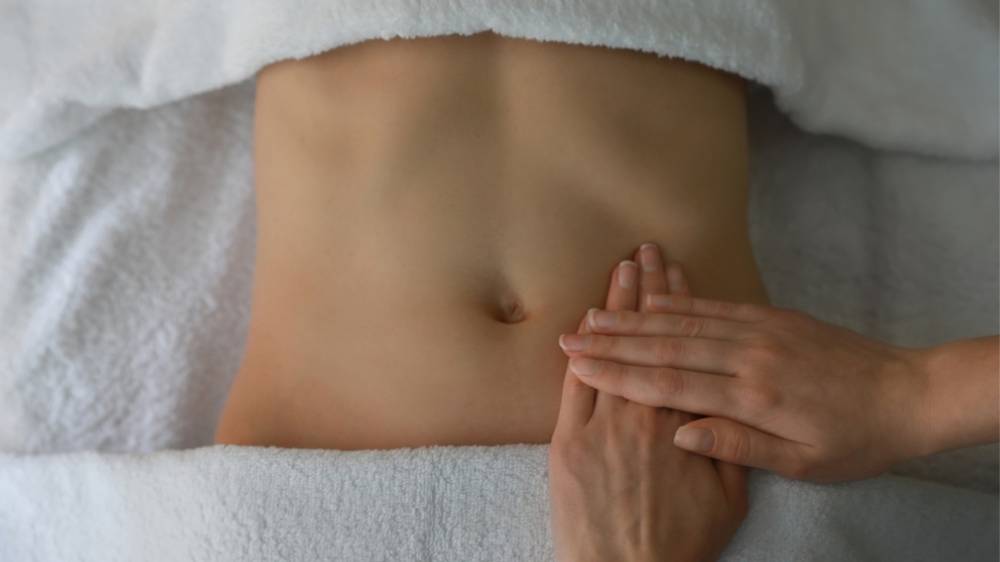
If you are feeling a bit nervous about someone touching your post-op body, that is completely normal. However, the experience is designed to be as comfortable and soothing as possible. Unlike the firm pressure people often associate with massage, MLD is incredibly light. It feels more like a gentle skin-stretching technique than a muscle rub. This is because the lymphatic vessels are located just beneath the surface of the skin; you don’t need to press hard to reach them.
During a session in a Glasgow clinic, you will typically be positioned comfortably with pillows for support. Your therapist will work on specific areas, following the natural pathways of your lymphatic system. Many patients find the process so relaxing that they actually fall asleep, which is a testament to how non-invasive the technique is. Most importantly, you should leave the session feeling ‘lighter’ and less tight than when you walked in.
Timing your recovery journey
One of the most common questions is: “When should I start?” While every surgeon has their own protocol, many experts recommend starting Post Surgery Recovery Massage Glasgow as early as three to five days after surgery, provided there are no complications. The goal is to catch the swelling before it has a chance to become ‘organised’ or turn into hard tissue.
In the first two weeks, sessions might be more frequent—perhaps two or three times a week—to manage the peak inflammatory phase. As the weeks progress and the initial swelling subsides, the focus of the massage often shifts towards scar management and ensuring the skin adheres smoothly to the underlying muscle. This transition is crucial for procedures like liposuction, where ensuring a smooth, contoured finish is the primary goal.
The psychological boost of active recovery
There is also a significant mental health benefit to this type of aftercare. The weeks following surgery can be emotionally draining. You might feel frustrated by your lack of mobility, or you might hit a ‘post-op slump’ where you wonder if the results will ever appear. Engaging in a proactive recovery programme gives you a sense of control over your healing. It provides a dedicated time each week where a professional is monitoring your progress, answering your questions, and providing physical relief from the discomfort of recovery.
In a city like Glasgow, where we have access to high-end clinical aftercare, taking advantage of these specialised services can make the difference between a recovery that feels like a struggle and one that feels like a steady, positive progression. It is about giving your body the best possible environment to do what it does best: heal and regenerate. By prioritising this specialised care, you aren’t just recovering; you are protecting the investment you made in yourself when you decided to have surgery in the first place.
Choosing the right environment for your care
When selecting a centre for your recovery, look for a clinical environment that prioritises hygiene and professional standards. The setting should feel calm and supportive, allowing you to relax fully during your treatment. A good practitioner will always take a full history of your surgery, including any specific instructions from your surgeon, and will adapt their technique as your body changes through the weeks. This personalised approach is what sets high-quality post-operative care apart from generic services, ensuring that your path to health is as direct and comfortable as possible.

Sophie is a travel writer and culture enthusiast who explores Barcelona’s hidden gems, from charming local cafés to historic landmarks. She specialises in insider tips and unique travel experiences.